Pakistan Boycott India Match: T20 World Cup 2026 Latest Updates

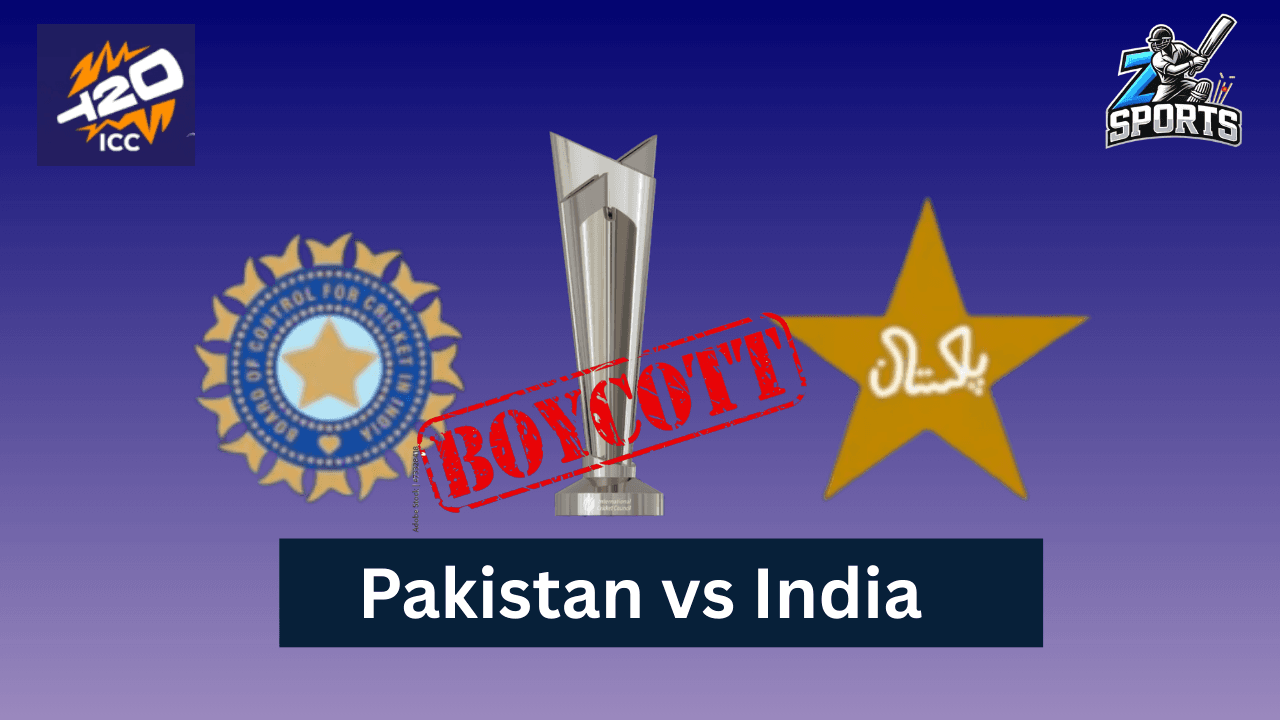
Pakistan Boycott India Match: T20 World Cup 2026 Latest Updates :The Silence of Indian Media, Salman Agha’s Bold Reply, and Arbon's Setback!
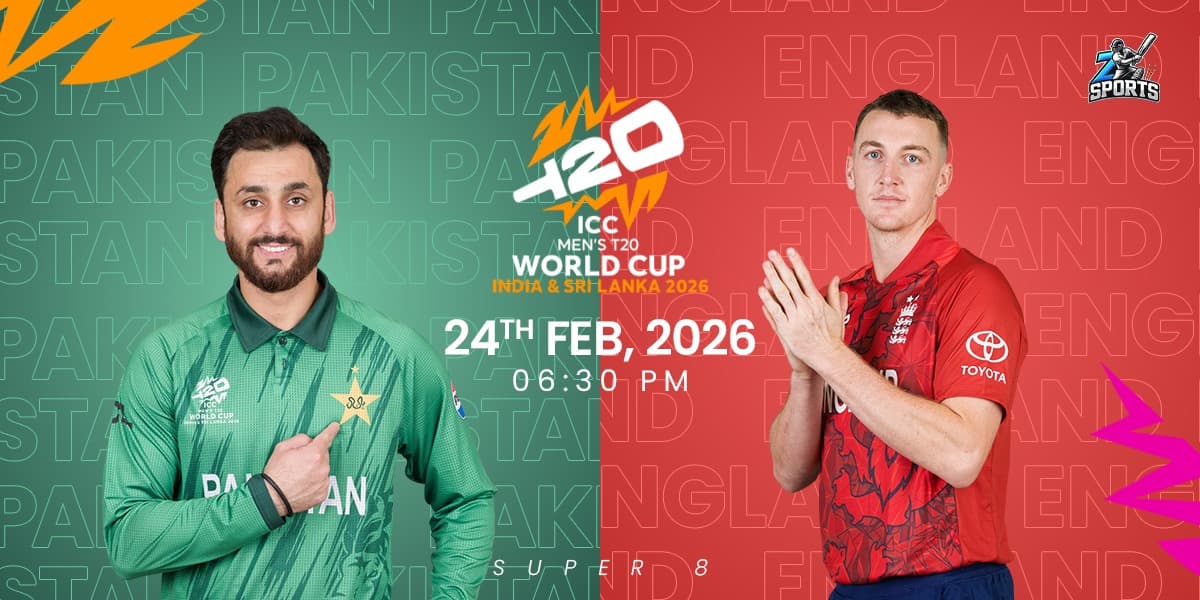
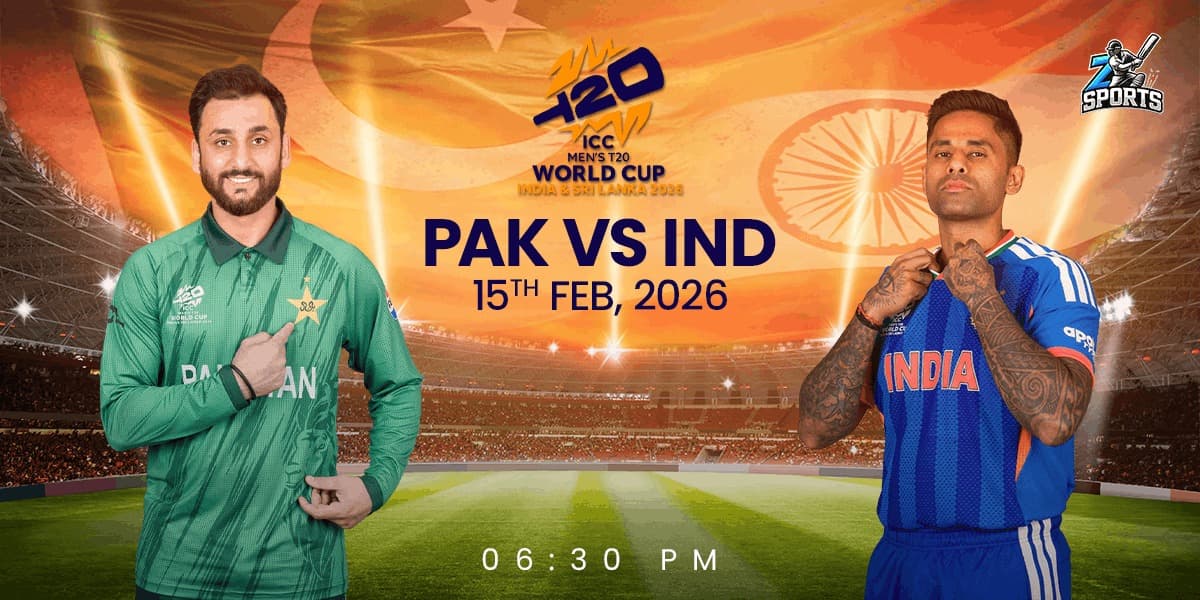
An unprecedented crisis has emerged in international cricket. The much-anticipated Pakistan vs. India match, set for February 15, 2026, in Colombo, has escalated into a diplomatic standoff rather than just a cricketing event. Pakistan's announcement to boycott the match has left the ICC and BCCI scrambling, with the Indian media facing a challenging silence.
Salman Ali Agha's Bold Response: A Moment of Silence for the Indian Media
The situation reached a boiling point during a pre-tournament press conference when an Indian journalist pressed Pakistan's new captain, Salman Ali Agha, with a tough question. The journalist seemed to suggest that Pakistan's boycott might be a mistake, doubting the readiness of the team for such a high-profile game.
The question: "Don’t you think Pakistan is harming itself by refusing to play against India? Are your players ready for such an important match?"
Salman Ali Agha’s response was direct and unapologetic:
"The Indian media does not have control over the Pakistan-India match. If our government instructs us, we will play. If not, we won’t."
This response took the entire press room by surprise, and the Indian media, previously mocking Pakistan's stance, found themselves stunned into silence. Salman made it clear that commercial pressures would not sway Pakistan this time.
Indian Media’s Shifting Tone: From Mockery to Concern
Initially, Indian media personalities like Vikrant Gupta were dismissing the possibility of a boycott, claiming that Pakistan couldn’t afford to skip the match due to financial reasons. But as Pakistan’s stance solidified, their narrative shifted.
Vikrant Gupta, in a recent broadcast, acknowledged the gravity of the situation, saying, “If Pakistan truly pulls out, it will be the biggest embarrassment in World Cup history.”
There’s been growing anxiety within Indian newsrooms. The realization is dawning: Cricket isn't just driven by financial incentives—it also involves political and moral considerations.
Financial Fallout: A Potential Economic Crisis
The Pakistan-India game isn't just a fixture it's a massive financial event. The potential losses from Pakistan's boycott are astronomical:
Broadcasting Woes: Major broadcasters, including Star Sports and JioStar, could lose around $500 million (approximately 4,200 crore INR) in advertising revenue from the match alone. Ad rates have already plummeted.
BCCI and ICC Concerns: A substantial portion of the ICC's revenue, 60-70%, stems from India-Pakistan games. With the possibility of Pakistan not participating, sponsors are expressing concerns about the stability of their contracts.
Ticket Sales Losses: Colombo's R. Premadasa Stadium, which was sold out for the match, is now facing a wave of refund requests, leading to significant financial losses for Sri Lanka Cricket and the ICC.
Bangladesh’s Support and Pakistan’s Strong Stand
While India and the ICC are grappling with the situation, Bangladesh has publicly expressed its gratitude toward Pakistan. The Bangladesh Cricket Board (BCB) has referred to Pakistan's decision as "bizarre," yet they acknowledge the solidarity it demonstrates for neighboring countries.
Pakistani fans have been hailed as "true heroes" by Bangladeshis on social media, further bolstering Pakistan’s resolve.
Rain as a Potential Gamechanger: A Silver Lining for Pakistan
Weather forecasts predict the possibility of rain on February 15, which could lead to the match being called off. Experts believe this could turn out to be a fortunate outcome for Pakistan, as it would allow them to avoid any potential penalties from the boycott, while denying India the opportunity to earn points.
What’s Next for the ICC and BCCI?
Both the ICC and BCCI are now engaged in urgent discussions, hoping to reverse Pakistan’s decision. India continues to insist that politics should not interfere with cricket, but Pakistan’s position remains unwavering: “No match until justice is achieved for Bangladesh.”
Conclusion:
Pakistan has boldly reshaped the dynamics of international cricket. Salman Ali Agha’s principled stand and the government's support for the boycott signal that Pakistan will no longer bow to external pressures. The world now waits to see if cricket can be the true winner in Colombo on February 15, or if Pakistan's moral stance will triumph.
Spotted an error in this article? Let us know via our corrections page. Read about how we work in our editorial policy.